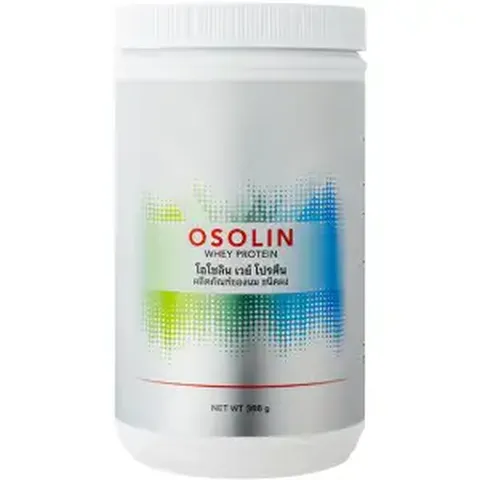
What is whey protein, and who is it for?
Where whey comes from, how it differs from other proteins, and who might benefit from extra protein.
Whey comes from milk
Cow's milk has two main protein groups: casein (about 80%) and whey (about 20%). Whey is the liquid separated during cheese-making, then filtered and dried into powder.
It is a high-quality protein with all nine essential amino acids the body cannot make itself, and it is absorbed fairly quickly.
Why protein matters
Protein is the raw material for muscle, skin, hair, nails, enzymes and many hormones, and the body needs it every day.
Most people get enough from food such as eggs, meat, fish, milk and beans, but some may fall short — older adults who eat little, people who train hard, or busy people who skip meals.
Not just for athletes
Whey is simply a food. It helps when meals don't provide enough protein; you don't need to lift weights to use it.
Good to know
Avoid whey if you are allergic to cow's milk. If you have kidney disease or a doctor has limited your protein, ask first. Whey should not replace all your main meals.
- MedlinePlus (สหรัฐฯ) — Protein in diet
- คู่มือสมาชิกแมนนาเทค ประเทศไทย — ข้อมูลผลิตภัณฑ์โอโซลิน
This article is general information, not medical advice. Dietary supplements are not intended to prevent or treat disease. If you have a condition or take medication, talk to a doctor or pharmacist.