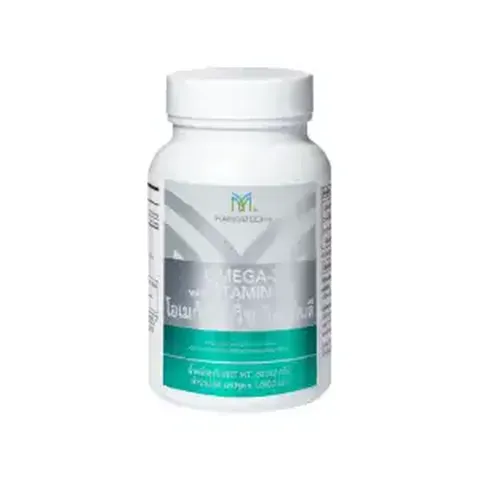
Omega-3 (EPA, DHA) and vitamin D3 — why pair them?
What EPA and DHA are, which foods have them, and why vitamin D can run low even in sunny countries.
Omega-3s: good fats the body makes little of
Omega-3s are unsaturated fatty acids. The main three are ALA (in flax, chia and walnuts) and EPA and DHA (rich in oily fish such as salmon, mackerel and sardines).
The body converts only a little ALA into EPA and DHA, so getting EPA and DHA directly from food or fish oil is the more direct route.
Vitamin D — the sunshine vitamin
Skin makes vitamin D in sunlight, but people who work indoors, use sunscreen or rarely go outside may not make enough, even in the tropics.
Few foods naturally contain vitamin D — oily fish, egg yolk and some mushrooms. It is fat-soluble, so it absorbs best with some fat.
Why one softgel holds both
Omega-3s and vitamin D are both fat-soluble and appear together naturally in oily fish, so one softgel is convenient for people who rarely eat fish.
Good to know
If you take blood-thinning medicine or have surgery coming up, ask your doctor before taking fish oil. Avoid it if you are allergic to fish, and do not exceed the dose on the label.
This article is general information, not medical advice. Dietary supplements are not intended to prevent or treat disease. If you have a condition or take medication, talk to a doctor or pharmacist.